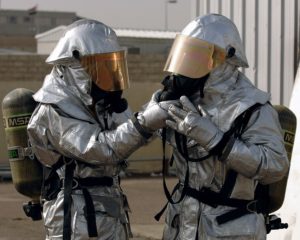
Asbestos is one of the six naturally occurring minerals that are excavated from the earth. They have a tendency to shatter into extremely small fibers so little that majority of them can only be determined with the use of the asbestos microscope. They are so tiny that when they are free into the air they can possibly remain floating for hours or even for several days.
The complete elimination and termination of asbestos is performed based on the policies and guidelines lay down by the Oklahoma State Department of Labor. These policies and guidelines compel that just asbestos workforce accredited by the state are allowed to get rid of asbestos. People are warned not to attempt taking the samples by themselves because of the hazards it bring. Asbestos is stopped only once needed for restoration, modification or preservation. Not all pipeline and ceiling overlay holds asbestos, but whether it has or not, it may not be uncovered at a quick look. All samples are sure to have asbestos pending evidence on the contrary or until observed under the asbestos microscope.
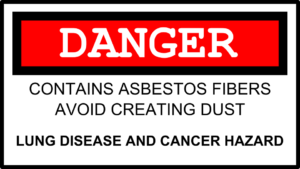
This is so important for the construction companies that go into these houses also. Many times the labor force may not be aware of the asbestos danger in those old buildings (because those haven’t been tagged.) I had a friend of mine who is the owner of Atlanta Demolition tell me that many times the owners of those big old buildings aren’t aware of the asbestos that is covering the roofs or walls and there have been incidents where their workers needed to perform checkups at the hospital. Most of the times, a specialized team will go in there and scan the whole structure. But according to that friend of mine, not many demolition companies do that.